

Buddhist tribute : ค้นหาหนังสือธรรมะ หน้า 36 / 60
หน้าหนังสือทั้งหมด
126
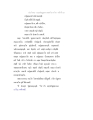
บทประพันธ์อุปฌาปนกิจในภาษาปāli
ประโคม - ชมรมปลุกภูมิโค - หน้าที่ 126
อุปฌาปนกิจ นีนากามเสยะ
นีนาท ตติย นิรีย์ ชาดุติ.
อุปฌาปนกิจ ๑ คติ ๑ ปฺญา,
ดิสสุสติ ภิญโญ จ ภิโกกา,
ราษฎ รัฐณะ ครฺูคี ปณฺฑิ;
ตำมานิโรปราณีฯ สเสวติ.
ตดด" ฐานนิต: ท
บทความนี้นำเสนอวรรณกรรมอุปฌาปนกิจในภาษาปāli ที่สื่อถึงความสำคัญของความรู้และการเข้าถึงความจริงในชีวิตและธรรมะ มีความเชื่อมโยงกับคติทางศาสนาและแนวทางการคิดที่เกี่ยวข้อง สามารถศึกษารายละเอียดเพิ่มเติมที
143
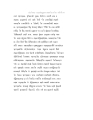
ความหมายและการตีความในพระพุทธศาสนา
ประกอบ - ชมพูปถมภา (สดด โต ภาโค) - หน้าที่ 143
ภาส พุทธมณฑล สุโขทัย วุฒิ จิตโก อาลี เตน จ
สมเมียว มนุษสาน เอ่ว วฏิติ โอ๋ "โย มา ศีล โน ตา ปัทม"
ทนฺโต มา ศีลิโร ณ โปสติ โย มารุตโพธิ ตสมา
เณ พุทธมณฑล ป
บทความนี้สำรวจความหมายและการตีความในข้อความทางพระพุทธศาสนา โดยเน้นถึงการเรียนรู้และความรู้ใหม่ ๆ ที่เกิดจากการศึกษาและการบรรยายในสมัยต่าง ๆ พร้อมกับการตรวจสอบแนวทางที่เป็นประโยชน์ต่อการปฏิบัติในชีวิตป
137
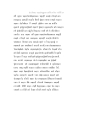
ชมมปทุธกถา (คติปาฐะภาค)
ประโยค๒ - ชมมปทุธกถา (คติปาฐะภาค) - หน้าที่ 137
สกิ คุฑฺธี หกฺฮาปทุธกถาเนะ หนุมปิ อนฺดุ๊ก โรณูติ ตยา
กถาคมเมน มยูหนปิ อนฺดุโฺ สอาติ ปุตเต อาหา ราชกถะ คนฺวา
รณฺเญฯาปฏิฏฺฺสวก จี เอนฺตุติ ปุจฺฉิฏฺฺสา อา
ชมมปทุธกถาเป็นส่วนหนึ่งของการศึกษาในพุทธศาสนา ซึ่งมีการอ้างอิงถึงพระธรรมและการเรียนรู้จากพระพุทธเจ้าอย่างชัดเจน เนื้อหานี้นำเสนอหลักการและแนวคิดที่มีความหมาย เพื่อให้ผู้อ่านได้เข้าใจในมุมมองต่างๆ ของศ
172
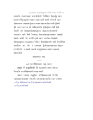
ชมุมปฏิฆาต และ วนาวสิสุสอฺความวัดฺ
ประโยค๒ - ชมุมปฏิฆาต (ติภูภา) - หน้าที่ 172
คุณญาโต อนุตรมคง นานาปุปผาน โออินิวา ปุตตปุ โล ควา เณรสุข นิสิณุญาณ คุณความ กุมุ มยุห์ สงคุ กโรทิติ วุตวา ปุตตมาทาย ภคว๙ ปุตตา กวา ยา เม อัย รสปิณทิยาโต ปุ
บทความนี้สำรวจคำสอนในชมุมปฏิฆาตและความสัมพันธ์กับธรรมะในพระพุทธศาสนา เช่น อภิปรายคุณค่าและความหมายของคำสอนที่เกี่ยวข้องกับจิตใจและการปฏิบัติ รวมถึงการวิเคราะห์ข้อความจากท่านพระอาจารย์และคัมภีร์ที่ใช้ใ
59
ประโยค๒ - ชมภูปฐกูฏา (จุดต โก ภาค)
ประโยค๒ - ชมภูปฐกูฏา (จุดต โก ภาค)-หน้าที่ 59
ภคุติกัจ ฉ กวา ปุน องค์ วิธี จิตวา สุขฺ กูร อาทาย
วิหาร หริฉวา ปฏิฉามเมวา นิพพุติ ปิณฑปุตรปรีสนุนาม
ทุกขุมดี ติขป่า มาณาสุขข วิิตามนฤวามา อาหาราน อฤเด
สด
บทที่ 59 นำเสนอข้อมูลที่เกี่ยวพันระหว่างจิตวิญญาณและหนทางในการปฏิบัติในศาสนา อธิบายถึงวิธีการเข้าถึงสัจธรรมและความสำคัญของคติในพระพุทธศาสนา โดยมีการวิเคราะห์คำสอนที่เกี่ยวกับการปฏิบัติและการรับรู้เพื่
35
ประโยคเฉลิม - คำณูชีพรามะอีมปลัณฑุกา ภาค ๑
ประโยคเฉลิม - คำณูชีพรามะอีมปลัณฑุกา ยกศัพท์แปล ภาค ๑ - หน้า 34
ภาวคจิตต์เดอ เป็นวงจิต เป็นวงจิต อันมีในก่อนนั้นเทียว (ให้ติ) ยอมนเป็น นอป แมหามโฒได้ ตา ฉันนั้ น, เทน การเดิน เพราะเหตุนัน ภควา อ. พระผ
เนื้อหาในหน้านี้กล่าวถึงภาวะจิต ซึ่งเป็นส่วนสำคัญในธรรมะของพระพุทธเจ้า โดยมีการอธิบายลักษณะของจิต การเดินทางสู่การบรรลุธรรมผ่านการภาวนาและการปฏิบัติ จิตวิญญาณมีบทบาทสำคัญในการนำไปสู่การขจัดทุกข์และการ
134
พระอัมมัมัทธิวา: ความหมายและการตีความ
ประโยค ๒ - คำนี้พระอัมมัมัทธิวา ยกศัพท์แปลภาค ๑ - หน้าที่ 133
เข้าไปแล้ว ปีนฑาย เพื่อมินฑบาตา ปุนทิวาส ในวันรุ่งขึ้น ปีติรยังพระบิดา ปติฏฐา ปฏิฐตา ให้รงค์ตั้งอยู่เฉพาะแล้ว โสดาปิตติแตงในโสดาปิตติผล ค
พระอัมมัมัทธิวา ในบริบทของพุทธศาสนาถือเป็นองค์กรในการสื่อสารความหมายของคำสอน ศึกษาการตีความที่นำไปสู่ความเข้าใจเรื่องโสดาปิตติผลและการพึ่งพาศรัทธา พระคาถาที่ใช้เสริมสร้างความเป็นอยู่และจุดเริ่มของความ
71
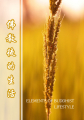
佛教徒的生活
ELEMENTS OF BUDDHIST
LIFESTYLE
35
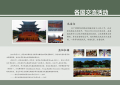
各国佛教交流活动
各国交流活动
尼泊尔
为了将佛陀的佛法传播至每个人的心中,让世界实现永久的和平,于2011年11月10日至28日, 在蓝毗尼举行1121次沙弥制度出家活动,以此传扬伟大的佛陀。参与法会的信众中,他们来自尼泊尔以及泰国,一同参与授戒仪式,功德无量,法喜充满。
孟加拉国
2010年5月7日,在孟加拉国的古大港举办100年身发仪式。各寺院及宗教信仰者参加现场,法会亦在孟加拉国的封城仪式上。
在2011
文章概述了在尼泊尔和孟加拉国举行的重要佛教活动。2011年11月,尼泊尔在蓝毗尼举行了1121次沙弥制度出家活动,参与者包括来自尼泊尔和泰国的信徒,旨在传播佛陀的教义,实现世界和平。孟加拉国则举办了100年身发仪式和“世界和平祈福会”,并在2011年6月进行优婆夷授戒与教学活动,促进了佛教信仰者的交流与合作。
19
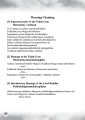
Morning Chanting of the Triple Gem
Morning Chanting
[1] Supreme praise to the Triple Gem
Ratanattayavandana
Yo so bhagavā arahaṁ sammāsambuddho
Svākkhāto yena bhagavatā dhammo
Supaṭipanno yassa bhagavato sāvakasaṅgha
Tammayam bhagavant
This text presents a morning chanting ceremony venerating the Triple Gem: the Buddha, Dhamma, and Sangha. It includes praises and expressions of respect, emphasizing their significance in Buddhist pra
23
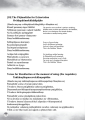
The Essence of Buddha's Teachings on Patience and Restraint
The practice most excellent is patience enduring,
Nibbāṇa most excellent proclaimed by the Buddhas,
But he is not forthgoing who hurteh another,
And neither a samaṇa harring others.
Every evil never
This text highlights essential teachings of the Buddha, focusing on the importance of patience and ethical behavior. It underscores that true excellence lies in enduring patience and the practice of n
13
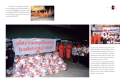
การตอบสนองต่อภัยพิบัติและการบริจาคในวันวิสาขบูชา
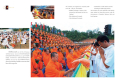
นอกจากนั้น พระราชกุศลวันวิสาขบูชา (หลวงอิงอุน-อึน) ประชาชนร่วมบริจาคสิ่งของ ได้ส่งมอบสิ่งของในงาน 60 คู่ และขณะนี้ผู้มีจิตศรัทธาร่วมบริจาคมาอย่างต่อเนื่อง ครับ รวมกับผู้ใกล้เคียงพื้นที่ก็จะนำความช่วยเ
ในวันวิสาขบูชา ประชาชนและผู้มีจิตศรัทธาได้ร่วมกันบริจาคสิ่งของเพื่อช่วยเหลือผู้ประสบภัย โดยการส่งมอบสิ่งของและเสื้อผ้ามากมายให้กับผู้เดือดร้อน ทั้งนี้ มูลนิธิธรรมกายได้แจกจ่ายเสื้อผ้ามากกว่า 20,000 ชุ
34
Ceremony Honoring the Deceased in Phang Nga
The image contains the following readable characters:
---
The ceremony was organized on 19 January 2005 from 5.00 - 7.00 p.m. and included :
- Buddhist Chanting in memory of the deceased by 2,000
พิธีนี้จัดขึ้นเมื่อวันที่ 19 มกราคม 2548 ที่สนามกีฬาเทศบาลตำบลคุ้งคาม อ. คุ้งคาม ระหว่างเวลา 17.00 - 19.00 น. มีพระสงฆ์รวม 2,000 รูปจากทั่วประเทศไทยมาเข้าร่วมเพื่อสวดมนต์สดุดีผู้ล่วงลับ นอกจากนี้ยังมี
7
Peace Projects of Phrarajjhabvanavisudh
**Peace Projects of Phrarajjhabvanavisudh** 58
*Training Programme and Dhamma Teaching to the Public* 63
Dhamma Teaching on Sunday 64
Weekend Meditation Retreat 67
Meditation Retreat Programmes 68
Me
เนื้อหาเกี่ยวกับโครงการสันติภาพที่ดำเนินการโดยพระราชจาวบวรนิเวศน์ รวมถึงโปรแกรมการฝึกอบรม การสอนธรรมและการทำสมาธิที่มุ่งเน้นไปที่เยาวชนและอนาคตของสันติภาพ โลก. โครงการต่างๆ เช่น การพัฒนาจริยธรรมสำหรับ
20
Born to Restore Harmony
Born to Restore Harmony
P hrharjabhavanavisudh (Luang Phaw Dhammajayo) was born Chaiboon Suthipol on Saturday, the 22nd of April 1944, the first night of the waxing moon in the 6th month of the Lunar
Phrharjabhavanavisudh, originally named Chaiboon Suthipol, was born on April 22, 1944, at 6 p.m., during the waxing moon. Growing up in a modest home by the Chao Phraya River in Singburi, Thailand, hi
44
Ordination of Chaiboon Suthipol
In the April of 1969, Chaiboon graduated with a Bachelor's degree, with a major in Agricultural Economics. After receiving his degree, he immediately informed his father of his desire to ordain for li
In April 1969, Chaiboon graduated in Agricultural Economics and decided to become a monk. After his father's initial hesitation, he received family support. On 27 August 1969, Chaiboon was ordained at
45
Reflections on Buddhist Ordination by Luang Phaw Dhammajayo
Later on, Luang Phaw Dhammajayo reflected his thoughts on ordination that:
“Ordaining as a Buddhist monk is not an easy task, just simply donning a saffron robe is not enough. One must train oneself t
Luang Phaw Dhammajayo reflects that ordaining as a monk requires more than just wearing the robe; it involves training to take on the 227 precepts and adhering to monk's disciplines. His commitment to
54
The Utmost Gratitude towards the Teacher
The text in the image reads:
---
**The Utmost Gratitude towards the Teacher**
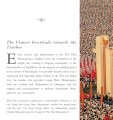
E very success and achievement of the Wat Phra Dhammakaya, whether it was the completion of the temple site, creating a
The text honors Khun Yaya, the influential teacher of Luang Phaw Dhammajayo, whose guidance and support were vital to the achievements of Wat Phra Dhammakaya. Her contributions to the Buddhist communi
61
The Importance of Human Development in Buddhism
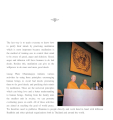
Luang Phaw Dhammajayo realises that human beings are the most valuable natural resource and one of the most important factors for guiding society in the future. He focuses on developing human beings b
Luang Phaw Dhammajayo highlights that human beings are the most valuable natural resource for guiding society. By utilizing Buddhist knowledge, he focuses on developing the mind to uplift individuals
62
The Importance of Meditation in Purifying the Mind
The last way is to teach everyone to know how to purify their minds by practising meditation which is most important because meditation is the method of training one to control their mind to be aware
บทความนี้พูดถึงการฝึกสอนทุกคนเกี่ยวกับการทำจิตใจให้บริสุทธิ์ด้วยการปฏิบัติสมาธิ ซึ่งเป็นวิธีสำคัญในการฝึกควบคุมจิตใจให้ตระหนักถึงความโลภ ความโกรธ และความหลง การที่เราสามารถเข้าใจและควบคุมอารมณ์เหล่านี